
The Mask We Wear: Why Authenticity Is an Act of Courage
Most of us spend years perfecting a version of ourselves for public consumption. What happens when you finally take the mask off?

The Mask We Wear: Why Authenticity Is an Act of Courage
I was very good at pretending.
For years, I had mastered the performance. I knew exactly which version of myself to present in every room — the capable professional, the put-together mother, the woman who had it all figured out. I wore each mask so well that sometimes I forgot I was wearing one at all.
Maybe you know that feeling.
The mask isn't always dramatic. It doesn't always look like addiction or crisis or collapse — though for me, it eventually did. Sometimes the mask looks like a smile that doesn't quite reach your eyes. A "I'm fine" that you've said so many times it's become reflex. A life that looks perfect from the outside while something quietly unravels within.
Why We Put the Mask On
We don't start wearing masks because we're dishonest. We start wearing them because we're afraid.
Afraid of being rejected. Afraid of being seen as weak, broken, or too much. Afraid that if people knew the real story — the real us — they would walk away.
So we edit. We curate. We present the highlight reel and bury the outtakes.
And for a while, it works. The mask keeps us safe. It keeps us accepted. It keeps the world at a comfortable distance from the parts of ourselves we haven't yet made peace with.
But here's what no one tells you about masks: they're exhausting to wear.
The Cost of Hiding
Every day you spend performing a version of yourself that isn't real is a day you spend in debt — emotionally, spiritually, relationally. You can only sustain the performance for so long before the weight of it starts to show up in other places.
For me, it showed up as addiction. As depression. As a life that looked functional on the surface but was quietly falling apart underneath. The mask I wore wasn't protecting me anymore. It was suffocating me.
I've talked to enough people — in churches, in boardrooms, in recovery circles — to know that my story isn't unique. The details differ, but the pattern is the same: we hide, we perform, we exhaust ourselves trying to maintain an image, and eventually something breaks.
The question isn't if the mask will become too heavy to carry. The question is what you'll do when it does.
Authenticity Isn't Oversharing
Here's a misconception I want to address: being authentic doesn't mean telling everyone everything. It doesn't mean processing your trauma in public or abandoning all discretion.
Authenticity is about alignment. It's about the private you and the public you being close enough to the same person that you don't have to keep track of which version you're performing.
It means being honest about your struggles without using them as currency for sympathy. It means admitting you don't have all the answers without collapsing into helplessness. It means letting people see your real face — not your worst day, not your best performance, but the actual, complicated, still-becoming person you are.
That kind of authenticity is rare. And it is, without question, an act of courage.
What Taking the Mask Off Actually Looks Like
I won't romanticize it. Taking the mask off is not a single dramatic moment. It's a thousand small decisions to stop pretending.
It's telling the truth when a lie would be easier. It's asking for help when you've built your identity around not needing it. It's sitting with the discomfort of being known — really known — and trusting that you are still worthy of love in that state.
For me, it meant writing a book. Unmasked is the story I spent years trying not to tell — the addiction, the abuse, the depression, the slow and painful and grace-filled process of becoming someone I actually recognized in the mirror. Writing it was terrifying. Publishing it was an act of faith I still can't fully explain.
But something happens when you tell the truth about your life. Not just for you — for everyone who reads it and thinks, I thought I was the only one.
That's the gift hidden inside the risk of authenticity. When you take your mask off, you give other people permission to take theirs off too.
A Word to Anyone Still Hiding
If you're reading this and you recognize yourself in these words — if you're tired of the performance, if the mask has started to feel more like a prison than a shield — I want you to know something.
You don't have to have it all figured out before you start being honest. You don't have to be fully healed before you're allowed to be real. The journey toward authenticity doesn't begin when you arrive somewhere. It begins the moment you decide to stop pretending you're already there.
Freedom isn't on the other side of perfection. It's on the other side of honesty.
And you are worth the courage it takes to get there.
Angela Lynn Martin is the author of Unmasked: A Memoir of Hope Beyond Abuse, Addiction and Depression. She speaks to organizations, churches, and communities about resilience, authenticity, and the power of living an unmasked life. Learn more at angelalynnmartin.com.
Explore Topics
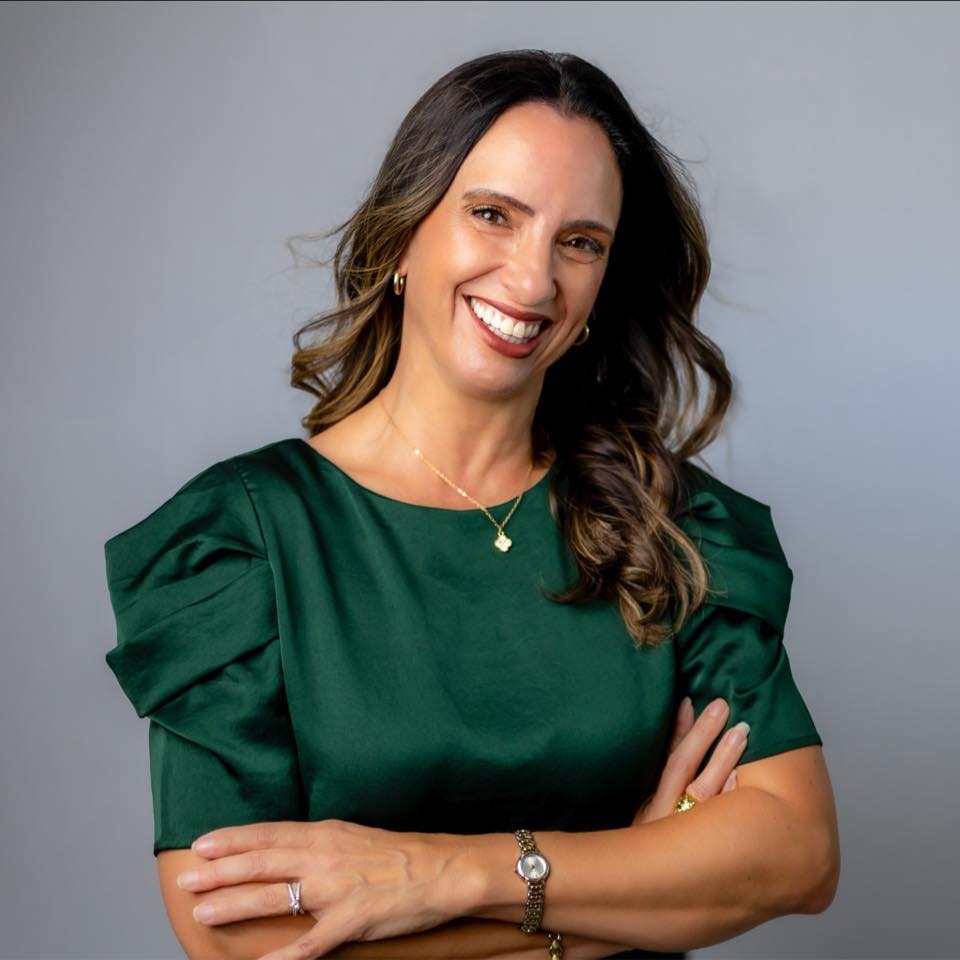
Written by
Angela Lynn Martin
Founder of Legacience™, author of Unmasked, speaker, and entrepreneur. Angela writes about identity, legacy, faith, and the courage it takes to live authentically.